


What Causes Brakes to Fail?
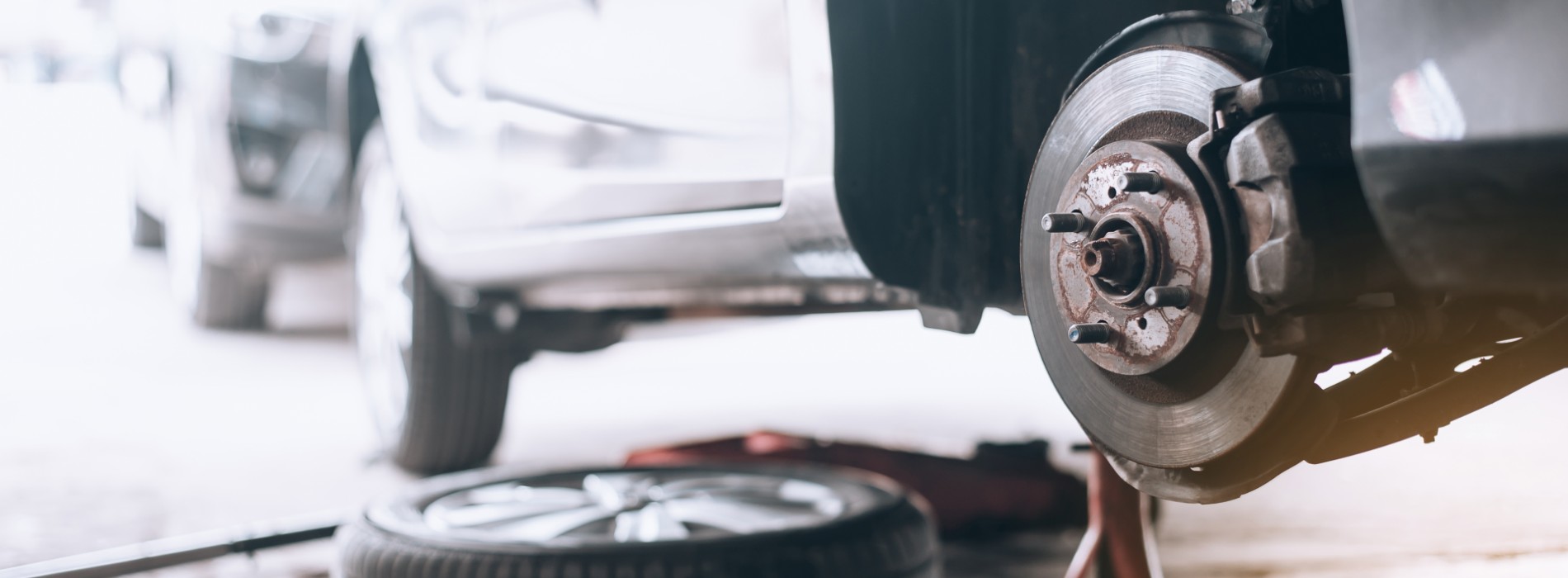
A Frank Boucher Cadillac of Racine Service Guide
Quick Answer Key Takeaways Causes of Brake Failure Warning Signs Why Professional Service Matters Staying Ahead FAQ
Quick Answer: Brake failure almost always comes down to one of five causes: worn pads and rotors, brake fluid problems, overheating (brake fade), mechanical failures like a broken line or stuck caliper, or corrosion from road salt. Squealing, grinding, a soft pedal, pulling to one side, or vibration are the early warning signs, and having them checked at the first sign keeps a stop a stop instead of a close call.
Brakes don’t usually fail all at once. They wear down, they weaken, and they send warning signs long before things get dangerous — the real question is whether those signs get noticed in time. At Frank Boucher Cadillac in Racine, WI, our service team sees the full range of brake issues drivers bring in, from a faint squeal on the way out of the driveway to a pedal that suddenly feels different underfoot. Here’s a closer look at what actually causes brake failure, the signs worth watching for, and why getting it checked matters.
Key Takeaways
- Worn pads, fluid problems, overheating, mechanical damage, and corrosion are the leading causes of brake system failure.
- Squealing, grinding, a soft pedal, or pulling to one side are early warning signs worth acting on right away.
- Racine winters and road salt accelerate rust and corrosion on brake lines, rotors, and calipers.
- Brake fluid should be flushed roughly every 2–3 years, regardless of mileage.
- Regular inspections catch small brake problems before they turn into safety risks.
What Causes Brakes to Fail?
Brake failure almost always traces back to one of five things: worn friction material, fluid trouble, heat buildup, a mechanical break somewhere in the system, or corrosion working on exposed metal. Each has its own warning signs, and each responds differently to routine maintenance — which is exactly why a proper inspection looks at the whole system, not just the pads.
Worn Brake Pads and Rotors
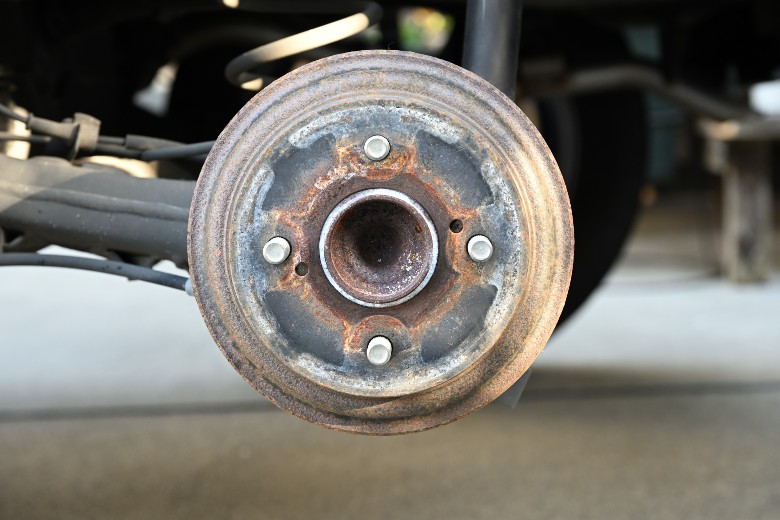
Brake pads are the first line of defense, and they’re built to wear down over time. Once the friction material thins out, stopping power drops, and the metal backing plate can eventually start grinding directly against the rotor. This is one of the most common causes of brake failure, and it’s also one of the easiest to catch early with routine pad checks.
Brake Fluid Problems
Brakes run on hydraulic pressure, and that pressure depends on clean, properly filled brake fluid. Low fluid, a slow leak, or fluid that’s absorbed moisture over time can all soften the pedal and reduce stopping power. Left unaddressed, these brake problems can progress into a pedal that sinks closer to the floor with every stop.
Brake Fade From Overheating
Long descents, heavy loads, or repeated hard stops generate more heat than the brakes can dissipate. When that happens, the pads and fluid can overheat to the point where they temporarily lose effectiveness, a condition known as brake fade. It can feel like sudden brake system failure, even though the components usually recover once they’ve had a chance to cool.
Mechanical Failures
A broken brake line, a stuck caliper, a damaged hose, or a failed master cylinder can all interrupt the connection between the pedal and the wheels. These mechanical issues show up less often than pad wear, but they tend to escalate quickly, and rank among the more serious brake failure causes a technician can diagnose.

Corrosion and Rust
Racine winters bring road salt, and it’s hard on exposed metal. Brake lines, rotors, and calipers can corrode from the outside in, weakening components that look fine on the surface. This is a significant piece of what causes brakes to fail for vehicles that spend winters on Wisconsin roads, which is why rust deserves a close look during every inspection.
Warning Signs of Brake Trouble
Brakes rarely fail without warning. Noise, feel, and handling changes almost always show up first — the trick is to treat them as an appointment reminder rather than background noise.
A high-pitched squeal usually means a wear indicator is doing exactly what it’s designed to do, while a grinding sound means the pads are already gone, and metal is contacting metal. A soft or sinking pedal points toward fluid trouble, and a vehicle that pulls to one side during braking suggests uneven wear or a sticking caliper. Vibration through the pedal or steering wheel often signals a warped rotor. None of these signs mean the same thing on their own, but together they’re the clearest way to catch what’s causing brake failure before it turns into an emergency stop.
Why Professional Brake Service Matters
Brake systems are interconnected, so a problem in one part rarely stays isolated for long — a trained technician can trace it back before it spreads to something more serious.
A technician doesn’t just replace pads; they check rotor thickness, fluid condition, line integrity, and caliper function together, since a small issue in one area often points to a bigger one elsewhere. Genuine parts and manufacturer-specified torque values matter here, since a brake job done to spec is what keeps a Cadillac stopping the way it was engineered to. Catching an issue during a routine visit is far easier than troubleshooting a full breakdown on the side of the road, and it keeps repairs predictable instead of urgent.
Staying Ahead of Brake Failure
Brakes give plenty of warning before they fail — the components just need someone paying attention. Whether it’s a faint squeal, fluid that’s overdue for a change, or the kind of corrosion Wisconsin winters are known for, catching the issue early is what keeps a stop a stop instead of a close call. Our service team at Frank Boucher Cadillac in Racine looks at every part of the system, not just the obvious ones.
Noticing a squeal, a soft pedal, or a vehicle that pulls under braking? Scheduling a brake inspection at Frank Boucher Cadillac is a straightforward next step and much simpler than dealing with brake trouble out on the road.
Notice any of these warning signs? Get your brakes checked today.
Frequently Asked Questions
How long do brake pads typically last?
Most brake pads last between 30,000 and 70,000 miles, though stop-and-go driving and hilly routes tend to wear them down faster.
Is it safe to drive with grinding brakes?
No. Grinding means the pads have worn through, and metal is contacting the rotor, which can cause lasting damage and quickly reduce stopping power.
How often should brake fluid be changed?
Most manufacturers recommend flushing brake fluid every 2 to 3 years, since it absorbs moisture over time and gradually loses effectiveness.
What does a soft brake pedal mean?
A soft or sinking pedal usually points to air in the lines, a fluid leak, or worn components, and it’s worth having inspected right away.
Why do brakes seem to fail more often in winter?
Road salt accelerates corrosion on brake lines, rotors, and calipers, which is a major reason brake issues tend to increase during Wisconsin winters.


0 comment(s) so far on What Causes Brakes to Fail?