


Why Is My Car A/C Blowing Warm Air?
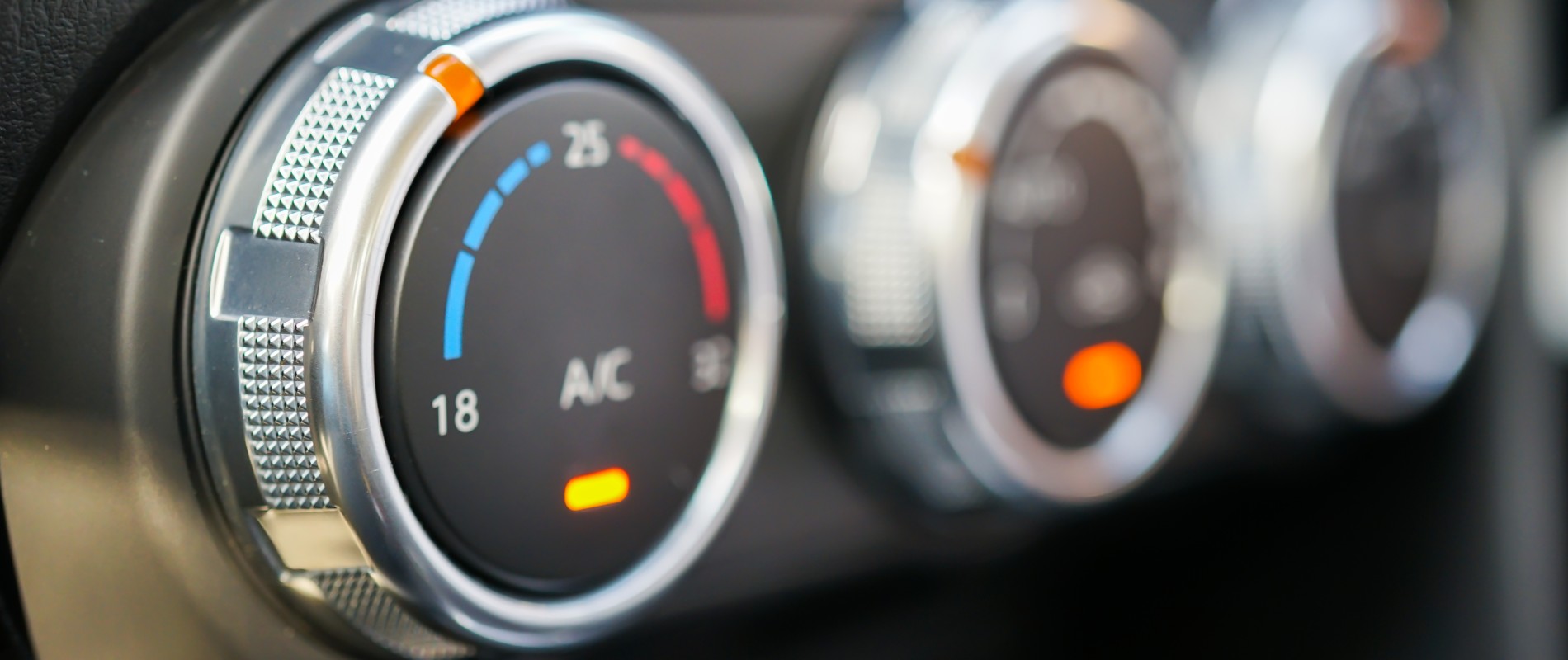
There’s nothing quite like cranking up your Cadillac’s A/C on a humid Wisconsin summer day — and getting hit with a blast of warm air. Not exactly the luxury experience you signed up for. If you’re wondering, “Why is the A/C blowing hot in my car?” you’re in good company. It’s one of the most common service questions our team at Frank Boucher Cadillac of Racine hears this time of year, and the good news is there’s almost always a clear explanation — and a fix.
- Low or depleted refrigerant is the most common reason a car A/C blows hot air — and it usually means there’s a leak somewhere in the system.
- A failed condenser, faulty compressor, or blocked evaporator can all cause the same warm-air symptom, so diagnosis matters.
- Some issues — like a blown fuse or a setting accidentally switched to “heat” — can be resolved right in your driveway.
- Ignoring A/C problems in summer heat isn’t just uncomfortable; it can put extra strain on the engine in extreme temperatures.
- Our Frank Boucher Cadillac service team in Racine can diagnose and repair A/C issues quickly, often the same day.
Why Does a Car A/C Blow Hot Air?
A car’s A/C system is more complex than a simple fan — it’s a pressurized refrigerant loop that removes heat from cabin air and dumps it outside. When any part of that loop breaks down, the system stops cooling. The most common culprits are low refrigerant, a failing compressor, a damaged condenser, or a blocked expansion valve.
When people ask, “Why does the car A/C blow hot air?” the answer almost always comes back to the refrigerant circuit. Refrigerant is the substance that absorbs heat, making cold air possible. Without enough of it — or if it can’t circulate freely — the system can’t produce cold air, no matter how high you crank the fan. Beyond the refrigerant, the condenser (which sits in front of the radiator) can get clogged with road debris and lose its ability to release heat. The compressor is the pump that keeps refrigerant moving; if it seizes or its clutch fails, the whole system stalls. Electrical issues — a blown fuse or a faulty A/C relay — can also cut power to the system entirely. In Racine’s humid summers, these problems tend to surface right when you need cold air the most.
Common A/C System Components That Fail
- Refrigerant — leaks out over time or after a road impact
- Compressor — pressurizes refrigerant; can seize from wear or low oil
- Condenser — releases heat; vulnerable to debris and road damage
- Evaporator — absorbs cabin heat; can freeze up or get moldy and blocked
- Expansion valve — regulates refrigerant flow; fails from debris or wear
- Electrical components — fuses, relays, and sensors that control the system
What Can You Check Yourself Before Calling for Service?
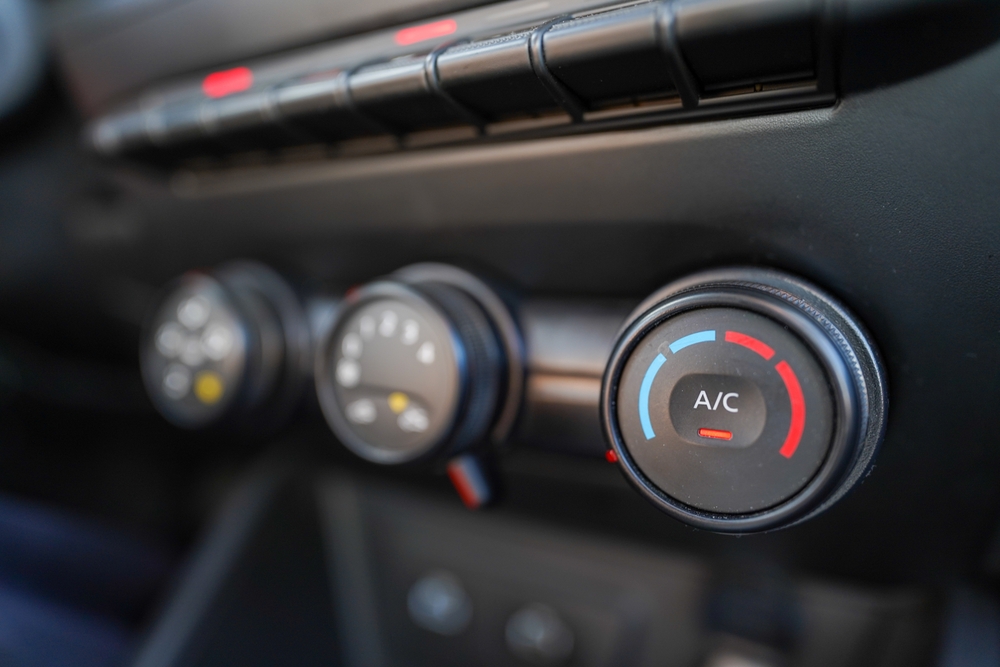
Not every warm-air situation means a trip to the shop. A few quick checks can rule out the easy stuff before you schedule an appointment. It sounds obvious, but the first thing to verify is that the A/C is actually set to cool — not just fan-only mode or heat. Check that the recirculation button is on (it pulls cooler cabin air rather than hot outside air) and that the temperature dial is turned all the way down. Next, pop the hood and look at the front of the condenser for any obvious blockage: bugs, leaves, or plastic sheeting from a highway drive.
If the airflow through the condenser is choked off, the system can’t release heat. It’s also worth checking your fuses — the A/C fuse and relay are in the under-hood fuse box, and a simple blown fuse will kill the system completely. If your car is blowing hot air and the compressor clutch (the pulley at the front of the compressor) isn’t engaging when the A/C is on, that’s a strong sign of an electrical issue or a compressor that’s given up. Beyond those checks, refrigerant level diagnosis and anything involving the pressurized system really does need a pro — handling refrigerant requires certified equipment.
DIY Check vs. Professional Repair: A Quick Guide
| Symptom / Check | DIY or Shop? | Notes |
|---|---|---|
| A/C mode set to “fan only” or heat | DIY | Check climate control settings first — easy fix |
| Recirculation button off | DIY | Turn it on for faster, cooler air |
| Blown A/C fuse | DIY (if comfortable) | Check the owner’s manual for the fuse box location |
| Condenser blocked by debris | DIY (light cleaning) | Gently rinse with a garden hose — don’t pressure wash |
| Low refrigerant / refrigerant leak | Shop | Requires certified equipment and refrigerant handling |
| Compressor not engaging | Shop | Could be clutch, electrical, or internal compressor failure |
| Evaporator frozen or blocked | Shop | Requires system evacuation and inspection |
When Should You Bring Your Cadillac in for A/C Service?
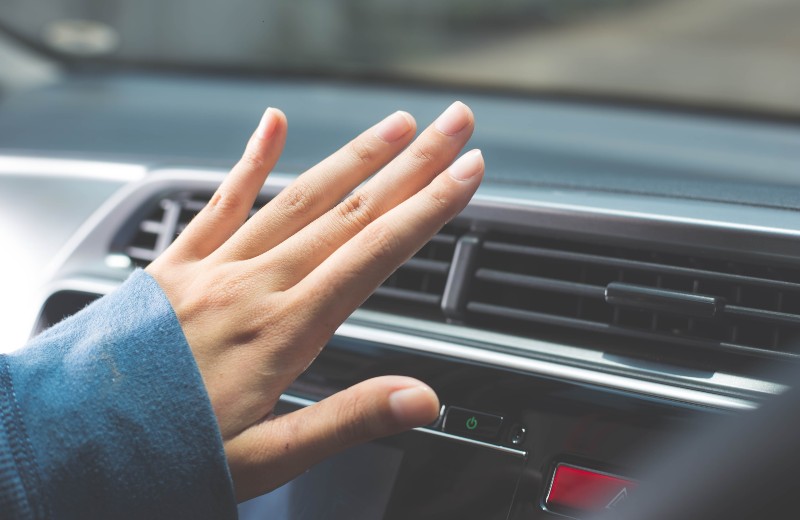
If the quick DIY checks don’t solve it, it’s time to hand it off to a technician. A/C problems left unaddressed can become more expensive over time. The most telling sign that it’s shop time is when your car’s A/C blows hot even after you’ve confirmed all the settings are correct. You might also notice the A/C cycling on and off rapidly, a grinding or squealing noise when the system kicks on, or visible oily residue near A/C lines under the hood. At Frank Boucher Cadillac of Racine, our service team can perform a full A/C pressure test, identify leaks with UV dye, and get your system recharged and back to factory performance — usually in a single visit.
Your Cadillac’s Comfort Is Worth Taking Seriously
A/C problems have a way of going from “a little annoying” to “genuinely miserable” pretty fast once summer hits. Understanding the basics — refrigerant, compressor, condenser — makes it easier to know whether you’re dealing with a five-minute fix or a service appointment. Either way, you’re better off knowing than guessing. And if you’re still asking yourself, “Why is the A/C blowing hot in my car after running through the basics?” Our service team at Frank Boucher Cadillac of Racine is ready to work with you to figure it out. No guesswork, no surprises — just a cool car and a comfortable drive.
Schedule Your A/C Service at Frank Boucher Cadillac
If your Cadillac’s A/C isn’t keeping up, scheduling a service appointment at Frank Boucher Cadillac in Racine is a straightforward next step. Our team can diagnose the issue, walk you through what needs to be done, and get you back on the road in comfort. Use our online scheduler or give the service department a call — your coolest drive of the summer is closer than you think.
FAQ
- How do I know if my car is low on refrigerant? The most obvious sign is warm or barely cool air coming from the vents, even when the A/C is set to max. A technician can confirm with a pressure test — you can’t check refrigerant level visually the way you’d check oil.
- Can I recharge my car’s A/C myself? DIY recharge kits are sold at auto parts stores, but they only add refrigerant — they don’t find or fix the leak causing the low charge. A professional recharge with leak detection is a better long-term solution.
- How often should a car’s A/C be serviced? Most manufacturers recommend an A/C inspection every two years or so, though Cadillac’s service schedule may vary by model. Regular checks help catch small leaks or wear before they become expensive repairs.
- Why does my car’s A/C work sometimes but not at other times? Intermittent A/C failure often points to an electrical issue — a failing relay, a sensor on the fritz, or a compressor clutch that’s starting to go. It can also happen when the refrigerant is borderline low, and system pressure fluctuates with temperature.
- Is it safe to drive with a broken A/C in summer? It’s not dangerous in the traditional sense, but in extreme heat, it can pose a health risk to the driver and passengers — especially kids and pets. It’s also worth noting that running the system in a failed state can sometimes cause additional wear on components like the compressor.

0 comment(s) so far on Why Is My Car A/C Blowing Warm Air?